
The Ultimate 9mm Ammo Guide: Ballistics, Brands, and Hidden Secrets
The 9mm cartridge, originally designed in 1902, has been fired more times in combat and self-defense than any other handgun round in history. This jacketed, lead-core projectile relies on a controlled explosion of smokeless powder to achieve supersonic velocity, typically around 1,150 feet per second, delivering devastating energy transfer upon impact. Its superior magazine capacity, mild recoil, and proven terminal ballistics make it the optimal choice for personal protection, allowing you to place rapid, accurate follow-up shots under extreme stress. Load it properly, and you hold a compact, reliable tool that stops threats decisively.
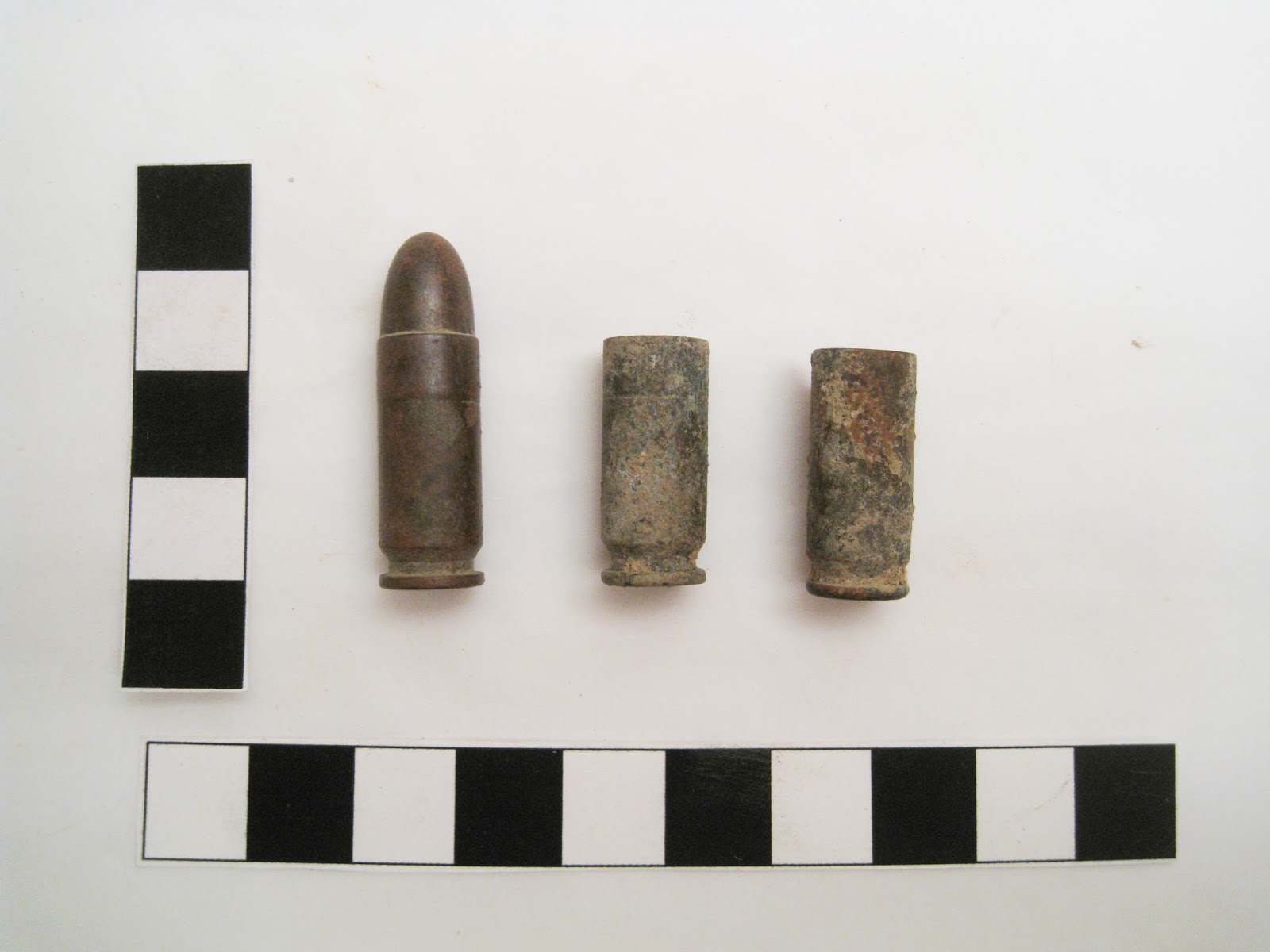
Why This Cartridge Dominates the Shooting World
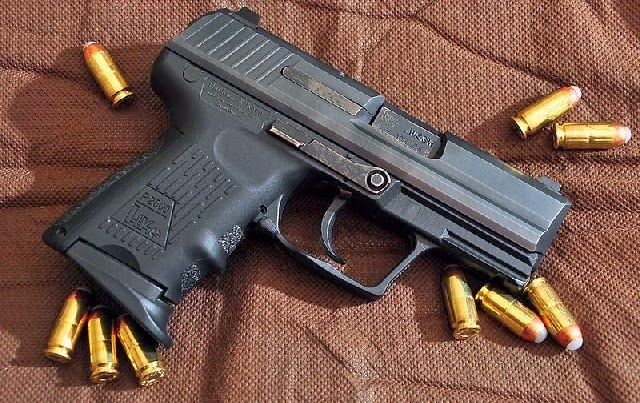
The 9mm dominates because it solves the real-world equation of controllable power and capacity better than any rival. Its recoil impulse is sharp but manageable, allowing faster follow-up shots and keeping the muzzle on target during high-stress drills. That accuracy under speed translates directly to tighter groups on paper and more effective hits on steel. The short cartridge case feeds flawlessly from double-stack magazines, giving you 17 to 20 rounds where a .45 gives you eight. Ballistically, modern 9mm defensive loads achieve penetration depths of 12–18 inches in gel, matching or beating older calibers while producing less muzzle flip. You carry more ammunition, shoot it more accurately, and train longer without fatigue.
Master the 9mm’s recoil management, and you outshoot most shooters using larger calibers—because your misses don’t count, but your extra rounds do.
That practical edge is why every serious pistolero, from IPSC champions to concealed carriers, settles on 9×19 as the standard.
What Makes the 9mm Luger So Universally Popular
The 9mm Luger’s universal popularity boils down to a perfect balance of shootability and terminal performance. Its recoil is mild enough for quick follow-up shots, yet the cartridge delivers sufficient velocity and energy for defensive use. You get high magazine capacity without excessive grip size, a direct result of the round’s short case length. This makes it equally comfortable for small-frame concealed carry pistols and full-size competition guns. Plus, ammunition manufacturers load it in everything from soft-recoiling target rounds to hot +P defensive loads, so you can tailor performance to your exact needs. That versatility, combined with proven reliability across countless platforms, keeps it the default choice for new and experienced shooters alike.
Key Differences Between 9mm, 9mm Luger, and 9x19mm
The terms 9mm, 9mm Luger, and 9x19mm refer to the exact same cartridge, with no dimensional or ballistic differences. “9mm” is the generic family name, while “Luger” is the historical trademark from Georg Luger, and “9x19mm” is the metric designation for the case length. The only practical difference is labeling: a box marked “9mm” or “9mm Luger” will fit any firearm chambered for 9x19mm. However, do Ammunition for Sale not confuse these with 9mm Short (.380 ACP) or 9mm Makarov, which are physically shorter and will not chamber safely in a 9mm Luger firearm.

- Identical specs: bullet diameter, case length, and pressure are the same across all three names.
- Interchangeable: ammunition labeled with any of these three terms is safe to use in a 9x19mm chamber.
- Distinct from other “9mm” cartridges: 9mm Makarov and .380 ACP are not interchangeable with 9mm Luger.
Choosing the Right Load for Your Specific Needs
Choosing the right 9mm load hinges on matching bullet weight and pressure to your intended role. For concealed carry, select a 124-grain or 147-grain jacketed hollow point engineered for reliable expansion at typical self-defense velocities; lightweight 115-grain loads may under-penetrate through heavy clothing. For competitive shooting, prioritize a 115-grain or 124-grain full metal jacket with a flat trajectory and snappy recoil that allows rapid follow-up shots. For suppressed use, 147-grain subsonic loads keep noise down while cycling reliably. Always verify that your firearm’s recoil spring and magazine tolerate the chosen profile—light loads often fail to lock the slide back, while hot +P loads accelerate wear on compact frames.
The best load is the one that cycles flawlessly in your particular gun, so test multiple brands and weights before committing to a defensive or match stash.
Match the load to the mission, not the hype.
Full Metal Jacket vs. Hollow Points: Which One to Pick
Choosing between **full metal jacket vs. hollow points** for your 9mm comes down to the job at hand. FMJs are range staples—their hard, rounded copper jacket feeds flawlessly in most pistols, penetrates cleanly, and keeps costs low for practice. Hollow points, however, expand on impact, dumping energy into the target and drastically reducing over-penetration risk, making them the defensible pick for carry. For plinking and drills, FMJs are your workhorse; for self-defense, hollow points are the safer, more effective choice. Full metal jacket vs. hollow points isn’t about “better” overall—it’s about matching the bullet to the scenario, so don’t skimp on having both on hand.
Q: Can I practice with FMJs and carry hollow points without changing my aim?
A: Yes, but expect slight point-of-impact shifts—hollow points often hit a bit lower due to weight differences—so run a few magazines of your carry load through your gun to confirm zero before trusting it.
Understanding Grain Weight and How It Affects Recoil and Accuracy
In 9mm, bullet weight, measured in grains, directly dictates the pressure curve and felt impulse. Heavier projectiles, like 147-grain loads, produce a slower, deeper push, which many shooters find reduces muzzle flip and aids rapid follow-up shots. Lighter 115-grain rounds generate a snappier, sharper recoil but often yield flatter trajectories at closer ranges. For accuracy, matching grain weight to your pistol’s barrel twist rate is critical—a 1:10 twist typically stabilizes 124-grain loads best, while subsonic 147-grain rounds excel in suppressed use with a shorter, consistent lock time. Your goal is to test 115, 124, and 147-grain options to find the bullet weight whose recoil signature you can manage without disturbing your sight alignment.
- Heavier 147-grain bullets reduce perceived recoil but may require a stiffer recoil spring for reliable cycling.
- Lighter 115-grain loads offer faster velocity, but increased muzzle rise can slow split times.
- Accuracy peaks when the bullet’s weight matches your barrel’s twist rate—verify your pistol’s spec before bulk buying.
How to Maximize Performance at the Range
To maximize performance with 9mm ammo at the range, start by matching your bullet weight to your pistol’s barrel twist rate—115-grain rounds cycle faster in compact slides, while 147-grain subsonics reward a heavier recoil spring for smoother tracking. Your grip pressure is the true lever: squeeze with your support hand at 60% force, letting the trigger finger stay independent, so the slide’s cycling doesn’t torque the muzzle off target. I learned this after chasing fliers with a borrowed Glock 19, only to realize my weak wrist was causing the 9mm’s snappy impulse to bounce the front sight. For rapid strings, shoot from a slightly bent stance, absorbing the recoil through your knees rather than fighting it stiff-armed.
Dry-fire the trigger reset between magazines—the 9mm’s short reset rewards a quick, deliberate release, not a full slap.
Finally, chronograph your lot; consistent velocity across the box means your hold stays valid through the last round.
Optimal Zeroing Distances for Various 9mm Bullet Types
For 9mm defensive loads, zero at 15 yards to keep the flatter trajectory of lighter, faster projectiles like 115-grain JHP within a 2-inch vital zone. Heavier 147-grain subsonic rounds arc more, so a 10-yard zero yields a near-point-blank hold from 5 to 20 yards. For full-metal-jacket practice ammo, a 25-yard zero maximizes precision at typical target distances, though bullet drop becomes noticeable beyond 30 yards. Match-grade 124-grain rounds benefit from a 20-yard zero, balancing recoil impulse and drop. Optimal zeroing distances for various 9mm bullet types hinge on velocity and ballistic coefficient, so verify each load’s point of impact at 7, 15, and 25 yards before committing. Always confirm with a sandbag test.
- Zero 115-grain at 15 yards for defense.
- Zero 147-grain at 10 yards for suppressed or subsonic use.
- Zero 124-grain match ammo at 20 yards for competition.
- Zero 115-grain FMJ at 25 yards for practice drills.
Correct Grip and Stance Techniques for Tight Shot Groups
For tight shot groups with 9mm ammunition, grip pressure must be maximized with the support hand while the firing hand maintains a neutral, relaxed tension—about 60/40 split—to prevent involuntary trigger jerk. Your stance should place the dominant foot slightly back, weight shifted onto the balls of the feet, allowing natural recoil absorption through the elbows, which should be fully locked but not hyperextended. This creates a rigid bone structure that transfers energy predictably. Align the front sight post precisely within the rear notch, and drive the pistol straight back from recoil by re-establishing the same high, thumbs-forward grip on every repetition. Without this consistent hand placement, the 9mm’s mild impulse still amplifies micro-variations into vertical stringing.
Correct grip and stance techniques for tight shot groups require dry-fire practice to ingrain muscle 6.5×55 Swedish Ammo for Sale memory before live ammunition is used.
Q: Why does a thumbs-forward grip improve shot group size with 9mm?
A: It increases the contact surface area on 6.5x57mm Mauser Ammo for Sale the frame, reducing muzzle flip rotation, which keeps the sight picture returning to the same zero point faster and more consistently between shots.
Reloading Your Own Rounds: Saving Money and Tuning Performance
Reloading your own 9mm ammo is the fastest way to slash range costs while unlocking a precision level factory boxes rarely deliver. By reusing brass and buying bulk projectiles and powder, you can cut per-round expense by nearly half—especially crucial when shooting high-volume drills. The true win, though, is tuning performance: swapping to a lighter bullet or a faster-burning powder lets you dial in recoil impulse, cycle your pistol’s action reliably with a softer charge, or achieve flatter trajectory for competition. You control overall length to match your chamber throat, preventing pressure spikes, and can tailor crimp tension to eliminate feed misfeeds. Start with a single-stage press, use published load data, and measure every charge—your 9mm will shoot cleaner, cheaper, and exactly how you want it to.

Essential Equipment Every Beginner Reloader Needs
Starting with 9mm reloading, your must-haves begin with a single-stage press for precision, plus a reliable scale to weigh every powder charge—never skip this. You’ll need a caliper to measure case length and overall cartridge length, ensuring safe chambering. A case tumbler cleans spent brass, while a primer pocket cleaner and chamfer tool prep cases properly. Don’t forget https://specialtysportsandsupplyltd.com/ a powder funnel and a sturdy die set, ideally carbide, which needs no case lube. Beginner reloading equipment for 9mm also includes a reloading manual for data. A beam scale is slower but more forgiving for learning than digital models.
How to Select the Right Powder and Primer for Consistent Results
Selecting the right powder for 9mm starts with matching burn rate to your bullet weight and intended pressure curve; slower powders like CFE Pistol suit heavier projectiles, while faster options like Titegroup excel with light loads. For primers, consistently use small pistol primers with a consistent cup thickness, as magnum variants can spike pressure unpredictably in 9mm cases. Always cross-reference powder manufacturer data for your exact primer brand, since brisance differences alter ignition timing. A powder scale with 0.1-grain resolution is non-negotiable, and you should verify charge weights every tenth round. When switching lots, re-test your minimum charge ladder to confirm velocity stability before bulk loading.
Storage and Longevity: Keeping Your Supply Reliable
To keep your 9mm ammo reliable, treat it like a well-fed friend: store it cool, dry, and dark. A sealed ammo can with a desiccant pack beats a loose drawer, especially if you live somewhere humid—moisture is the real .32 ACP Ammo for Sale enemy of primers and powder. Rotate your stockpile by shooting the oldest boxes first, so nothing sits past its prime. Brass-cased rounds generally outlast steel or aluminum for long-term storage, but even quality 9mm can degrade if temperature swings are extreme. Check for green corrosion on case mouths or flat primers before loading—these are red flags. Q: How long does 9mm last in storage? A: Decades, if sealed properly, but inspect annually for rust or powder that smells acrid instead of solvent-like. That’s your cue to shoot it soon.
Best Practices for Ammo Storage to Prevent Misfires
To keep your 9mm rounds firing perfectly, store ammo in a cool, dry place—think a consistent 60–70°F, not a hot garage or damp basement. Use airtight, military-style ammo cans with desiccant packs to absorb moisture, as humidity can degrade the primer and powder, leading to duds or dangerous pressure spikes. Always keep rounds in their original boxes inside the can to prevent rattling and primer damage. Avoid oil or solvents near your stash, since they can seep into the case and kill the primer. Rotate your stock, using older ammo first, and inspect for tarnished or dented cases before shooting.
Cool, dry, sealed, and rotated—protect primers from moisture and oil to ensure every 9mm fires on demand.
Signs of Deterioration and When to Rotate Your Stockpile
Inspect 9mm ammunition for **signs of deterioration** like verdigris on brass, corroded primers, or cracked cases; these indicate compromised integrity. Rotate your stockpile by using the oldest rounds first, ideally within 3–5 years, but always after visual 6.5x57R Ammo for Sale checks. If cartridges fail to chamber smoothly, show excessive bullet setback from repeated handling, or exhibit discolored propellant, retire them immediately. Exposure to temperature swings accelerates degradation, so replace any batch stored under suspect conditions. A simple date-marking system on each box ensures you rotate before performance drops. When in doubt, dispose of questionable rounds rather than risk a malfunction.
Q: How often should you physically inspect your 9mm stash for deterioration signs?
A: Conduct a full visual inspection every six months, focusing on case neck cracks, green corrosion, and primer seal integrity—rotate out any round showing these indicators regardless of its age.
Common Malfunctions and How to Fix Them Instantly
Dealing with 9mm ammo malfunctions is mostly about quick, safe fixes. A failure to feed often means a weak grip—just push the magazine firmly upward while racking the slide once. For a stovepipe (spent casing stuck vertically), tilt the gun slightly sideways and rack the slide sharply; no need to tap the mag. A hard primer may cause a click with no bang—simply re-rack, aim, and fire (hang-fire rule: keep pointed downrange 30 seconds). If you get a double feed, lock the slide back, drop the mag, rack twice to clear the chamber, then reload. For short strokes from limp-wristing, .32 Win Special Ammo for Sale tighten your grip and let the recoil spring do its job—don’t ride the slide forward. Ammo-related failures like a squib load require stopping immediately—never fire again; clear the barrel obstruction to avoid a catastrophic burst.
Clearing Stovepipes, Double Feeds, and Light Primer Strikes
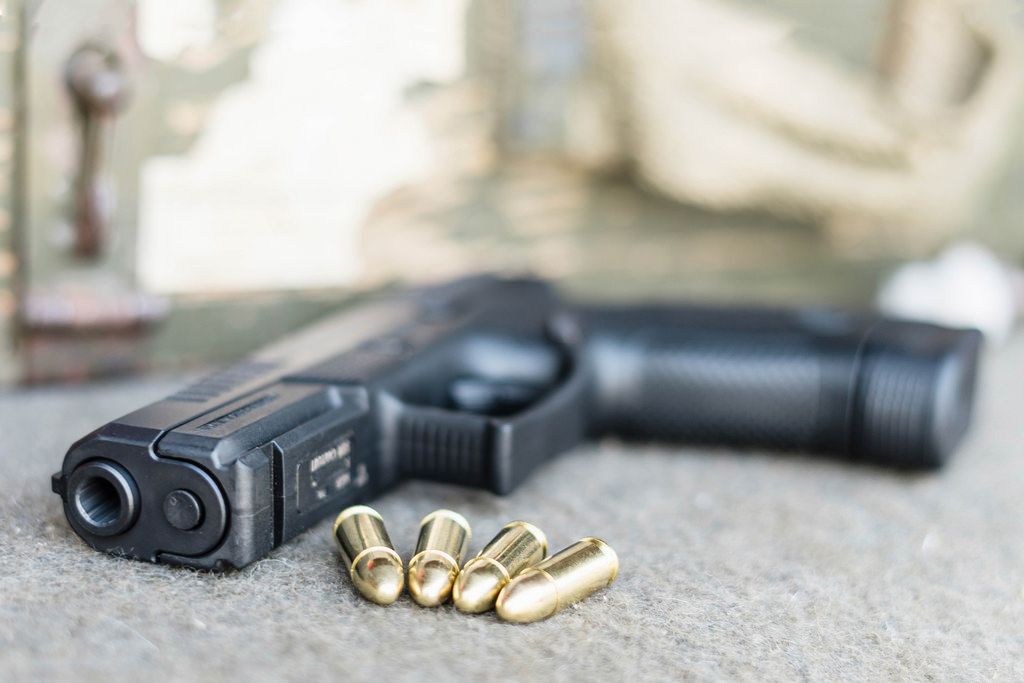
When your 9mm pistol chokes on a stovepipe or double feed
, keep the muzzle downrange and rip the magazine out first—this clears the platform for an immediate action drill. A stovepipe (empty casing stuck upright) usually fixes with a sharp slap on the ejection port or a quick rack of the slide. Double feeds are nastier: lock the slide back, strip the mag, and rack the slide two or three times to eject the chambered round before reloading. Light primer strikes often trace to a weak hammer spring or dirty firing
6.8 SPC Ammo for Sale
pin channel, so swap ammo or clean the bolt face before blaming the cartridge.
A click with no bang means wait three seconds, then tap-rack—don’t rush into a jammed gun.
Q: What’s the fastest fix for a 9mm light primer strike during a match?
A: Keep the muzzle safe, wait a beat, then tap the magazine, rack the slide, and continue—if it repeats, switch to a heavier primer or replace the firing pin spring.
Why Your Gun Chokes on Certain Brands and What to Do About It
Your 9mm pistol might choke on certain brands because of tiny variations in case dimensions, bullet shape, or powder charge—not because the gun is broken. A round with a .338 Lapua Ammo for Sale slightly rolled crimp or a truncated cone profile can catch on the feed ramp, while weak loads fail to cycle the slide fully. First, clean and lightly lubricate the feed ramp and extractor, since carbon buildup exaggerates these differences. If it persists, try matching your ammo’s profile to your gun’s barrel throat. For a quick fix at the range:
- Switch to round-nose or jacketed flat-point loads, which feed more reliably than hollow points.
- Test a few boxes of different brands (e.g., Blazer Brass vs. Federal) and note which ones fail consistently.
- If one brand always fails, stick to the ones your gun eats without issue—it’s a tolerance thing, not a defect.
Don’t force it; just adapt your ammo choice to your pistol’s personality.